

Partnering with the Holy Spirit in Bible Study: Practical Methods
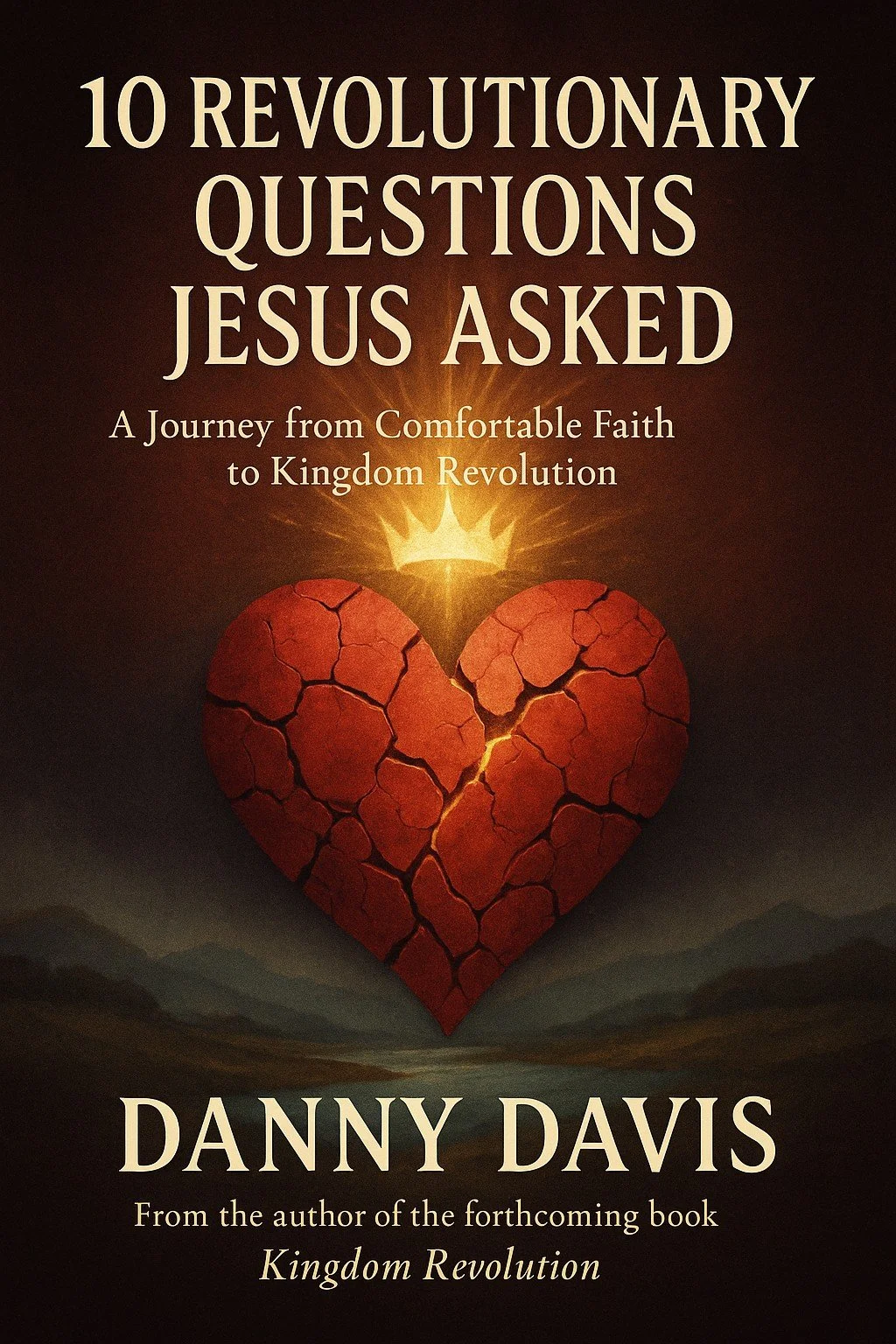
Click on the image to download your FREE book (PDF or eBook)
Pietrus burst into my office, eyes blazing with excitement. “Pastor, you have to hear what the Lord showed me this morning!”
As a Bible college student, Pietrus had been learning about biblical illumination—the Spirit’s work of helping us understand and apply what Scripture means. Something had finally clicked during his personal study time.
“I was reading Psalm 23 for the hundredth time,” he explained, “when verse 4 suddenly jumped off the page: ‘Even though I walk through the valley of the shadow of death, I will fear no evil, for you are with me.’ I realized this isn’t just about dying someday. I’m walking through a valley right now with my dad’s cancer diagnosis. God is saying he’s with me in this specific valley.”
This is biblical illumination in action—and I was thrilled. This is exactly what we’ve been building toward in this series: moving from understanding that the Holy Spirit is your teacher to partnering with Him in transformative Bible study that changes how you live.
In our previous posts, we’ve discovered that you have a divine Teacher and learned what the Holy Spirit actually does when you read Scripture. Now comes the practical question every believer asks: How do I consistently position myself for this kind of transformative Bible reading? How do I move from occasional “aha moments” to a lifestyle of Spirit-illuminated study?

ORDER MY NEW BOOK TODAY FOR $9.99 (eBook)
Starting with Your Heart: The Foundation Everything Builds On
The most important work happens before you open your Bible.
During my seminary days, I learned this the hard way. I approached Scripture study like any other academic subject—analyzing, dissecting, and categorizing. But I rarely encountered God through the text. It wasn’t until a wise professor challenged me to examine my heart posture that everything changed.
The Spirit illuminates Scripture for prepared hearts. Jesus promised this in John 16:13: “When he, the Spirit of truth, comes, he will guide you into all the truth.” But notice the context—this promise comes to those seeking truth, not avoiding it. Not perfect hearts—none of us qualify there—but hearts positioned to receive from God.
Here’s what I tell students like Pietrus: You already have ideas about what the Bible means. That’s unavoidable. You’ve heard hundreds of sermons, absorbed your culture’s assumptions, and inherited from your faith tradition’s interpretations. Some of these presuppositions serve you well. Others create fog between you and God’s voice.
The solution? Bring your mind to Bible study, but hold your conclusions lightly. The Spirit often illuminates truths that challenge our assumptions or reveal layers of meaning we’ve never considered. When Pietrus read Psalm 23 that morning, he had to set aside his assumption that “valley of the shadow of death” only referred to literal death to see how it applied to his current family crisis.
This requires something uncomfortable: embracing mystery. The biggest obstacle to Spirit-led Bible study? Our need to have everything figured out immediately. We want neat, tidy explanations for every passage. We want to master the text rather than allowing it to master us.
But here’s what I’ve learned about spiritual maturity: it includes the courage to live with questions—to sit comfortably with not understanding everything right away.
When you encounter a difficult passage, resist the urge to move on quickly or grab the first explanation you find. Let that discomfort drive you deeper—into prayer, study, and listening for the Spirit’s insight. This tension should pull you toward illumination, not away from it.
Start with confession and prayer. Sin clouds spiritual perception like fog obscures a mountain view. Before opening Scripture, ask the Holy Spirit to reveal any unconfessed sin, then bring it to God in repentance. This isn’t about achieving perfection—it’s about removing barriers that hinder spiritual receptivity.
Then approach Scripture expecting God to speak personally through his Word. This doesn’t mean expecting new revelation beyond Scripture, but expecting the Spirit to make biblical truth personally relevant to your life circumstances. Come believing that the God who inspired these words wants to illuminate their meaning for your heart today.
Creating Space for the Spirit to Work
Once your heart is positioned to receive from God, the practical question becomes: How do you structure your study time to create space for illumination?
Different types of study benefit from slightly different approaches, but all share common elements that invite the Spirit’s work.
For Daily Devotional Reading:
When Pietrus discovered that personal application in Psalm 23, he was doing what I call attentive reading. Instead of checking off “Read Psalms 20–25” on his list, Pietrus slowed down when Psalm 23:4 seemed to shimmer on the page. He read it again. Then he sat quietly and asked, “God, why is this verse standing out to me right now?” That’s when the connection to his father’s situation became clear.
This attentive approach works beautifully for daily reading. Start with a simple prayer acknowledging the Spirit’s presence and asking for illumination. Read your passage slowly, perhaps twice. On the first reading, receive the text without analyzing or hunting for applications. On the second reading, pay attention to words, phrases, or verses that draw your attention. Don’t force it; notice what captures your interest.
The key question: “What is God saying to me through this passage today?” This isn’t about eisegesis—forcing the text to say what you want it to say. You’re asking how the truth God put in this passage applies to your specific situation today. Listen for the Spirit’s response while staying grounded in what the text teaches.
For Topical and Systematic Study:
When researching what the Bible says about prayer, forgiveness, or God’s character, begin by asking the Spirit to guard you from cherry-picking verses that support preconceived ideas. Pray for wisdom to see the complete biblical picture. As you gather relevant passages, pay attention to connections the Spirit might highlight between different texts. Sometimes He illuminates a topic by showing how seemingly unrelated passages speak to the same truth from different angles.
For a systematic study of a book or chapter, pray, asking the Spirit to help you understand both the author’s intended meaning and how it applies to your life. Pay attention to historical context—good Bible study always considers what a passage meant to its original audience—but also listen for ways the Spirit connects ancient truths to contemporary situations.
Journal Your Insights:
Keep a journal of insights, questions, and applications as you work through the text. This doesn’t need to be elaborate. Pietrus probably wrote: “Psalm 23:4—God is with me in Dad’s cancer valley. Not just someday in death, but right now in this hard place. I can fear less because he’s walking with me through this specific struggle.”
The Holy Spirit often builds understanding gradually over time, and your journal becomes a record of his teaching ministry in your life. I still have journals from my early years of ministry filled with insights that took months or years to understand fully.
When Life Drives You to Scripture
Some of the most powerful Spirit-illuminated study happens when you’re facing specific decisions or struggles. When Pietrus was wrestling with his father’s cancer diagnosis, he wasn’t just doing academic study—he was seeking God’s voice for his circumstances.
This kind of crisis-driven study requires special care. The temptation is strong to make Scripture say what you want to hear rather than listening for what God wants to say. Ask the Spirit to guide you to relevant passages and illuminate their application to your situation, but always test these applications against the broader teaching of Scripture and the wisdom of mature believers.
Remember: The Spirit will never lead you toward anything that contradicts what Scripture teaches elsewhere. When you’re hurting or confused, this testing becomes even more critical because emotional stress clouds spiritual discernment.
Integrating Spirit-Work with Sound Study
Whether you’re reading devotionally or seeking answers for specific struggles, the Spirit’s illumination works best when combined with sound study principles. Here’s how they work together:
Spirit-led Bible study doesn’t replace good study methods—it enhances them. The same Spirit who illuminates also gave gifts of teaching to the church and delights to work through careful study methods.
Use study tools while remaining open to the Spirit. Commentaries, concordances, and study Bibles provide valuable historical and linguistic insights that enhance your understanding.
Approach these tools as aids to illumination, not substitutes for the Spirit’s work. Sometimes the Spirit uses a commentary insight to unlock a passage’s meaning for you. Other times, He illuminates truths that go beyond what any human author has written.
Pay attention to the original context while listening for contemporary application. Good Bible study always considers what a passage meant to its original audience, but the Spirit delights to show how ancient truths speak to modern situations. Let historical study inform your understanding, then listen for how the Spirit wants to apply timeless truth to your contemporary life.
Always cross-reference Scripture with Scripture. The Spirit who inspired all of God’s Word will never illuminate a meaning in one passage that contradicts what he’s taught elsewhere. Use cross-references to ensure your insights align with the broader testimony of Scripture.
What to Do When Insight Comes
When you sense the Spirit illuminating a passage, respond wisely:
Write it down immediately. Include the date, passage, and what you sense the Spirit highlighting. Your journal becomes a record of God’s ongoing communication through his Word.
Test your insight. Does it align with Scripture elsewhere? Does it magnify Christ? Does it produce spiritual fruit? If your insight contradicts clear biblical teaching, it’s not from the Spirit.
Share with trusted mentors. Don’t keep insights in isolation. The Spirit typically confirms his work through the community of faith.
Compare with trusted commentaries. When your insight radically contradicts what trusted teachers have consistently found, slow down and seek additional counsel.
Apply it obediently. The goal isn’t interesting insights—it’s transformation. Immediate obedience opens your heart for continued illumination.
Building Habits That Last
“This sounds like a lot of structure for something that’s supposed to be Spirit-led,” you might be thinking.
Here’s what I’ve learned from watching students like Pietrus: Spirit-illuminated Bible study requires intentional habits, but they don’t have to be complicated. I’ve watched students burn out trying to maintain elaborate study systems that looked impressive but weren’t sustainable.
Start with consistency over complexity. While the Spirit isn’t limited by schedule or location, having a regular time and quiet place for Bible study creates rhythm and expectation for meeting with God. Your consistency signals to your heart that this time matters.
Start small and build gradually. If you’re new to intentional Bible study, begin with ten to fifteen minutes daily rather than attempting hour-long sessions you can’t maintain. Quality trumps quantity, and the Spirit can illuminate truth in a brief, focused time as easily as in an extended study.
Balance structure with flexibility. Having a reading plan provides helpful structure, but it's also essential to remain flexible when the Spirit seems to be highlighting particular passages or themes. Sometimes he’ll lead you to spend several days in one chapter rather than moving on according to your schedule.
Include meditation and reflection. Don’t rush from verse to verse or chapter to chapter. Take time to meditate on what you’ve read, allowing the Spirit to deepen your understanding and show you applications you might have missed in your initial reading.
Connect with others in Bible study. The Spirit works through individual study, but he also illuminates truth through discussion with other believers. Participate in small groups, Bible studies, or regular conversations about Scripture with friends who share your commitment to Spirit-led study.
When Things Don’t Go Smoothly
You’ll face obstacles in Spirit-led Bible study. Recognizing them helps you navigate around them.
Impatience with the process trips up many believers. Spiritual illumination often comes gradually rather than in dramatic moments. Don’t become discouraged if you don’t sense immediate insights. The Spirit is working even when you don’t feel it, building understanding and spiritual sensitivity over time.
Over-dependence on feelings can derail your progress. Emotional experiences don’t always accompany the Spirit’s illumination. Sometimes His insights come as quiet understanding, practical applications, or gradual shifts in perspective. Focus on truth and obedience rather than emotional responses.
Don’t use “Spirit-led study” as an excuse to avoid careful reading, attention to context, or use of study helps. The Spirit enhances good study habits—He doesn’t replace them.
Don’t fear making mistakes. You will sometimes misinterpret what you’re sensing from the Spirit, and that’s okay. The important thing is to remain teachable, test your insights against Scripture and wise counsel, and continue growing in discernment.
Putting It All Together
Let me give you a simple framework that brings these elements together. Think of this as a flexible guide, not a rigid formula, something that creates space for the Spirit to work while keeping you grounded in good study habits.
A Simple Framework for Spirit-Led Bible Study:
Prepare your heart - Quiet your heart, confess any known sin, and pray for the Spirit’s illumination. This isn’t about achieving perfection but about removing barriers and expressing dependence on God.
First reading - Read your passage slowly, simply receiving the text without analyzing. Focus on what the author is saying rather than what you think it might mean.
Second reading - Read again, this time paying attention to words or phrases that stand out. Note any questions that arise, allowing curiosity to develop about elements that capture your attention.
Reflect and listen - Ask: “What is God saying to me through this passage? How does this apply to my life today?” Listen for the Spirit’s response while staying grounded in what the text teaches.
Respond and commit - Write down key insights and commit to specific obedience. End with prayer, thanking God for His Word and asking for strength to apply what you’ve learned.
Continue throughout the day - Return mentally to your key insight and look for opportunities to apply it. This ongoing meditation extends the impact of your study time and creates multiple opportunities for the Spirit to deepen your understanding.
The goal isn’t perfect technique but a growing partnership with the Holy Spirit in understanding and applying God’s Word. Remember, the goal isn’t perfect technique but growing intimacy with the God who speaks through His Word. As you develop these habits, you’ll find that Bible study becomes less about checking off a spiritual discipline and more about ongoing conversation with the God who loves you enough to speak personally through Scripture.
Next week, we’ll explore how this kind of Spirit-illuminated Bible study leads to genuine life transformation—how to move from understanding biblical truth to experiencing the character change that makes us more like Jesus.
These aren’t just study techniques—they’re relationship-building practices that position you for the kind of Bible study that transforms your character and deepens your walk with God.
Your next step is simple: try implementing this framework in your next Bible study time. Start tomorrow morning. Pick a short passage—maybe a psalm or a few verses from the Gospels—and walk through these steps. Don’t worry about doing it perfectly. Just begin.
Here’s what I want you to remember: the Spirit who inspired Scripture is eager to illuminate its meaning for your heart and life. He’s not waiting for you to get everything right—he’s waiting to partner with you in discovering the treasures hidden in God’s Word.
——
FYI: Some of the links above are affiliate links. If you choose to purchase items linked, I will receive a small commission from that sale.
If you find this blog helpful and want to say thanks, click here to buy Danny Davis a coffee.
