
How to Study the Psalms: A Genre-Specific Guide
Here's something that might surprise you: the Psalms are both the most-read and most-misread book in the Bible.
People love the Psalms. They return to them in grief, in joy, in confusion, in gratitude. Psalm 23 appears on hospital room walls. Psalm 46 calms anxious hearts. Psalm 51 opens the door to repentance. The Psalms feel personal, immediate, alive.
But most of us were never taught how to read them. We treat them as devotional poems to mine for comfort verses rather than as what they actually are: a 150-piece collection of ancient Hebrew poetry organized into five books, covering at least a dozen distinct genres, written to be prayed, sung, and studied as a unified whole.
When you understand what kind of psalm you're reading, something shifts. The difficult ones become accessible. The familiar ones go deeper. And the ones that have always confused you finally make sense.
If you're new to Bible study, start with our Complete Beginner's Guide to studying the Bible.
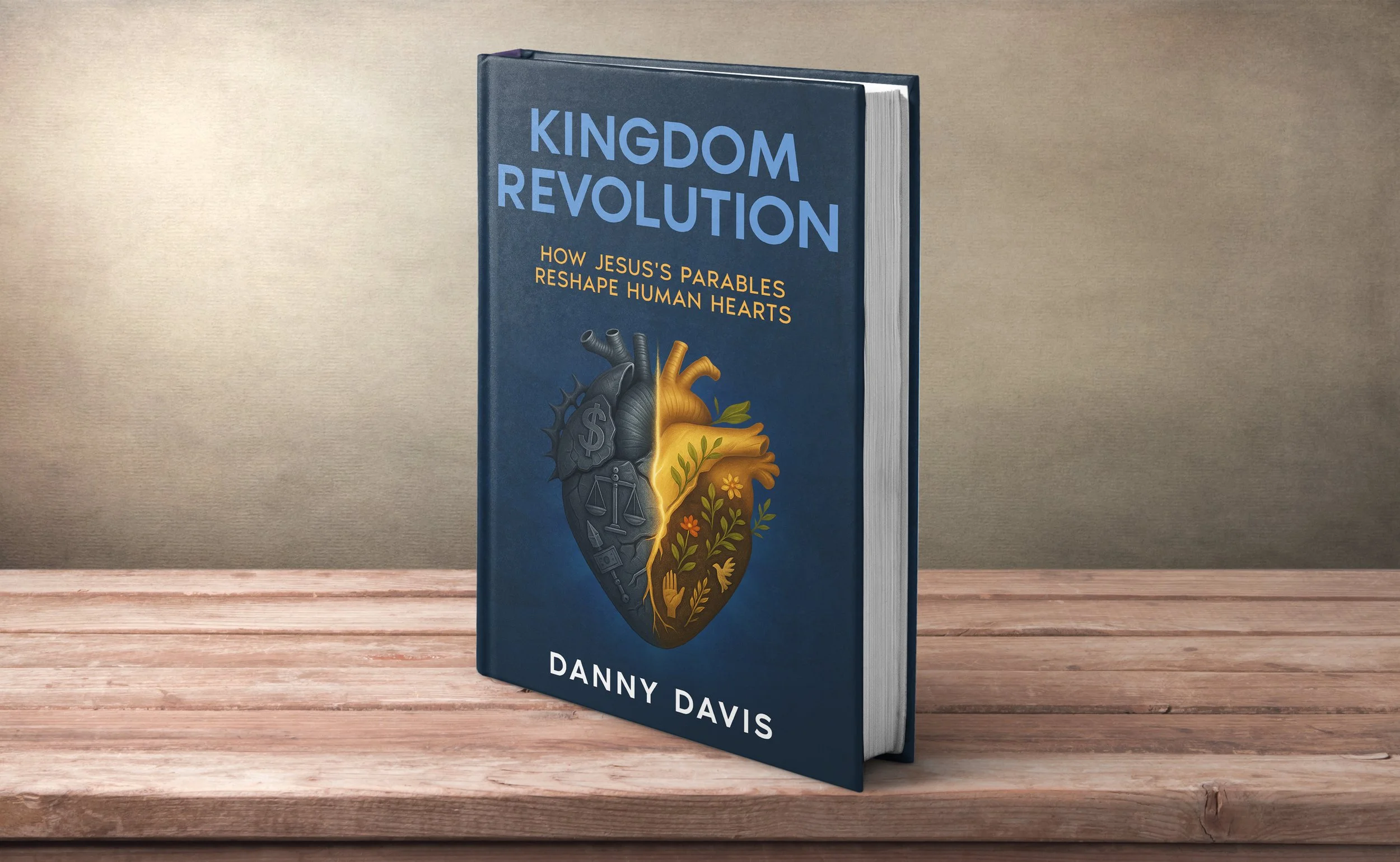
Click on the image to ORDER Kingdom Revolution (eBook & Paperback) from Amazon today!!

ORDER MY NEW BOOK TODAY FOR $9.99 (eBook)
What Kind of Book Is This?
The Hebrew title for the book of Psalms is Tehillim, meaning "praises." That's instructive but only partly accurate. Nearly two-thirds of the Psalms are laments, not praises. The book contains battle songs, coronation hymns, wisdom meditations, and liturgical chants for pilgrims climbing toward Jerusalem.
The Psalms are organized into five books (1–41, 42–72, 73–89, 90–106, 107–150), mirroring the five books of the Torah. Each book ends with a doxology. This structure tells us something: the Psalms weren't assembled randomly. They were curated for worship, instruction, and theological reflection.
Hebrew poetry works differently from English poetry. English poetry often relies on rhyme and meter. Hebrew poetry is built on parallelism: lines that relate to each other through repetition, contrast, or development. Understanding this changes how you read every psalm.
Three basic patterns appear throughout:
Synonymous parallelism: The second line repeats the idea of the first in different words. "Create in me a clean heart, O God, / and renew a steadfast spirit within me" (Psalm 51:10).
Antithetic parallelism: The second line contrasts the first. "For the Lord watches over the way of the righteous, / but the way of the wicked leads to destruction" (Psalm 1:6).
Synthetic parallelism: The second line develops or extends the first. "I lift up my eyes to the mountains / where does my help come from?" (Psalm 121:1).
When you notice these patterns, you stop reading the second line as filler. You start asking: What is this writer doing with these two lines together?
Five Psalm Types You Need to Know
Genre shapes interpretation. What you bring to a psalm determines what you take away from it. Here are the five most frequent types.
1. Lament Psalms (Individual and Communal)
These are the most common psalms---roughly 60 of the 150. And they're the most avoided.
The lament psalm follows a recognizable structure: an address to God, a complaint (an honest cry of suffering or confusion), a confession of trust, a petition (a specific ask), and, usually, a vow of praise. The movement from complaint to trust isn't denial---it's the psalmist talking himself back to God.
Psalm 22 opens with words Jesus quoted from the cross: "My God, my God, why have you forsaken me?" (). It doesn't resolve easily. That's the point. When you read a lament psalm, don't rush to the resolution. Sit in the complaint. Ask: What was the psalmist experiencing? What does the honesty of this prayer tell us about how God receives suffering?
2. Praise and Thanksgiving Psalms
Praise psalms are broad celebrations of who God is (Psalm 100, 150). Thanksgiving psalms are more specific---they respond to a particular act of deliverance (Psalm 30, 107).
The distinction matters for study. When you read a thanksgiving psalm, look for the story behind it. Why is this person grateful? What did God do? What was the before-and-after? The thanksgiving psalm teaches you how to remember God's faithfulness concretely, not in generalities.
3. Royal Psalms
These psalms address Israel's king (Psalms 2, 45, 72, 110). They were used in coronation ceremonies, royal weddings, and military campaigns. They're also among the most messianic passages in the Old Testament.
When you read a royal psalm, ask two questions: What did this mean for Israel's king in its original context? And where does this point beyond any human king to the one who would fulfill it completely? The early church read these psalms in light of Jesus's resurrection, and that reading is embedded in the New Testament itself (Acts 2:34–36, Hebrews 1:5–13).
4. Wisdom Psalms
Psalms 1, 37, 49, and 119 belong to this category. They reflect on the good life, the two ways (righteousness and wickedness), and the reliability of God's instruction. They often use the language of Proverbs.
Psalm 1 opens the entire Psalter as a wisdom psalm, framing everything that follows: the one who meditates on God's instruction is like a tree planted by water. Psalm 119, the longest chapter in the Bible, is an elaborate acrostic meditation on the Torah. When you study wisdom psalms, ask: What is this psalm teaching about how life works? What is it warning against?
5. Penitential Psalms
The church has long recognized seven psalms as penitential: 6, 32, 38, 51, 102, 130, and 143. Psalm 51, David's prayer after his sin with Bathsheba, is the most powerful.
These psalms teach the anatomy of repentance: the honest acknowledgment of sin ("I know my transgressions," Psalm 51:3), the recognition that sin is ultimately against God ("against you, you only, have I sinned," Psalm 51:4), and the request for transformation rather than merely forgiveness ("create in me a clean heart," Psalm 51:10). During Lent, these psalms are particularly life-giving because they refuse to sanitize the human condition.
A Practical Framework for Any Psalm
Before you study a psalm, identify its type. This single step changes everything that follows. Here's a simple four-question framework you can apply to any psalm:
What type of psalm is this? (Lament, praise, royal, wisdom, penitential, or other)
What is the emotional or theological movement? Does it start in one place and end in another? Where is the turning point?
What does this psalm assume about God? What does it reveal about the human experience?
Where does this psalm find its fulfillment in Christ? Even the darkest lament points forward.
Notice what the psalm is doing before you decide what it means.
The Lenten Gift of Lament
We're in the season of Lent: a season designed to slow us down, face what's broken, and walk toward the cross without rushing past it.
The lament psalms are the perfect companions for this journey. They don't offer quick comfort. They model honest prayer: the kind that names suffering, confesses confusion, and still reaches toward God. They give us language for what we often can't articulate.
Psalm 22, which Jesus quoted from the cross, begins in abandonment and ends in praise. The movement doesn't erase the darkness---it carries it all the way through to God. That is exactly what Lent asks us to do.
If you want to connect your Psalms study to this season, spend time with Psalms 22, 51, and 130. Read them slowly. Read them aloud. Notice what they refuse to skip over. Then notice where they land.
(For more on how the wilderness narratives connect to Lenten themes, see the earlier post on studying the wilderness narratives.)
Where to Start This Week
Choose one psalm. Just one.
Read it twice---once quickly, once slowly. Ask: What type is this? Where does the emotional movement go? What does this writer want God to do, or want the reader to feel?
If you're new to this, start with Psalm 13. It's short (six verses), moves from lament to trust, and demonstrates nearly every pattern described here. If you want to go deeper, grab a good study Bible — the annotations on the Psalms are worth the investment.
Then try the four-question framework and see where it takes you.
The Psalms have been the church's prayer book for three thousand years. They're not a collection of inspirational quotes. They're a training ground for honest, sustained, theologically rich conversation with God. Once you know what you're reading, they'll reshape how you pray, how you lead others through suffering, and how you see Jesus in Israel's ancient story.
That's worth the work of learning them well.
——
FYI: Some of the links above are affiliate links. If you choose to purchase items linked, I will receive a small commission from that sale.
If you find this blog helpful and want to say thanks, click here to buy Danny Davis a coffee.
